

Files
Download Full Text (1.4 MB)
Publication Date
2024
Keywords
oregon, ppmc, oregon gme, oaa 2024, covid-19
Disciplines
Infectious Disease | Medical Education
Abstract
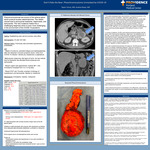
Introduction: Pheochromocytomas are tumors of the adrenal gland which produce excess catecholamines. The classic clinical triad is paroxysmal headache, diaphoresis, and tachycardia. The rare incidence makes this a challenging diagnosis which is even more challenging in the environment of the COVID-19 pandemic. Case Presentation: Setting: Establishing care visit at a primary care office Demographic: 42 year old male Medical history: Previously well-controlled hypertension, prediabetes HPI: • Weeks of profound, persistent fatigue and lightheadedness after the resolution of acute symptoms (fever, chills) from COVID-19 infection. Denies any headaches or palpitations. • Meticulously measuring vital signs at home. He has noticed that he frequently has elevated blood pressures and tachycardia. • Recent urgent care appointment: Systolic BP > 200. Amlodipine increased from 5 to 10 mg daily. • Recent PCP visit: Provider uncertain of etiology of hypertension and tachycardia. Started on metoprolol. Medications: Amlodipine, losartan, metoprolol Notable recent lab work: WBC count: 13.6 Platelets 481 Calcium: 10.4 ALP: 162 A1c: 6.7% Discussion: • This patient developed signs and symptoms of pheochromocytoma in the setting of a COVID-19 infection. There are 5 case reports of pheochromocy toma becoming similarly exacerbated during or shortly after acute infection with COVID-19 [2-6]. Pheochromocytomas will produce catecholamines but may remain dormant or only provoke paroxysmal symptoms given the variability of active hormone secretion. There is histopathologic evidence that the adrenal gland is a prominent target of COVID-19 [7]. With this, it is not surprising to see a pattern of these adrenal tumors becoming clinically apparent in the setting of current or recent infection. • A minority of patients (10-36%) with pheochromocytoma present with the classic triad of paroxysmal headaches, diaphoresis, and palpitations [9]. In this case, we see evidence of less frequently recognized consequences of catecholamine excess: hyperglycemia and orthostatic hypotension. Hyperglycemia is thought secondary to gluconeogenesis and decreased insulin release driven by increased adrenergic stimulation [10]. Orthostatic hypotension is driven by excess catecholamines causing volume contraction and down regulation of alpha receptors [11]. • The rarity of pheochromocytomas (0.8 cases per 100,000 person-years [8]) makes it an already challenging diagnosis. Signs and symptoms of pheo chromocytoma such as tachycardia, headaches, and dizziness can easily be misattributed to the acute infection and potential sequelae of COVID-19 (e.g. long COVID syndrome, pulmonary embolism). The broad range of presentations of COVID-19 in both the acute and post-infectious period exacerbates the risk of diagnostic premature closure and anchoring. • When pheochromocytoma is on the differential, it is important to prescribe medications with caution given the risk of exacerbating a hypertensive crisis. Classic teaching includes avoiding beta blockers to avoid uninhibited alpha stimulation inciting hypertensive crisis. However, other medications including dopaminergic antagonists, corticosteroids, TCA’s, MOI’s, NERI’s, sympathomimetics, chemotherapies, and opiates are also known to provike clinic worsening. Take Away Points: • COVID-19 can clinically unmask pheochromocytoma through the infection’s direct impact on the adrenal glands. • Avoiding early anchoring is key to diagnosing pheochromocytoma in the age of COVID-19. • Hyperglycemia and orthostatic hypotension are less frequently recognized signs of pheochromocytoma. • When pheochromocytoma is considered in the differential, prescribe new medications with caution to avoid exacerbating the effects of catecholamine excess.
Specialty/Research Institute
Graduate Medical Education
Specialty/Research Institute
Infectious Diseases