

Files
Download Full Text (939 KB)
Publication Date
2025
Keywords
oregon, ppmc, oregon gme
Disciplines
Medical Education
Abstract
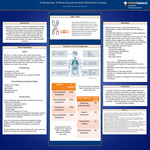
Introduction: Vacuoles, E1 enzyme, X-linked, autoinflammatory, somatic (VEXAS) Syndrome is a recently recognized adult-onset autoinflammatory disease that can lead to potentially lifethreatening multi-system inflammation with estimated prevalence of up to 1 in 5,000 males over the age of 50. Given its significant morbidity and mortality and high prevalence, increased awareness of this condition is of foremost importance. Herein we outline a case of VEXAS syndrome. Case Presentation: Mr. N is a 73-year-old male with a past medical history significant for hypertension and recent episode of uveitis who first presented to the hospital for significant unintentional weight loss, fevers, and abdominal pain. Two weeks later he presented to the ED again due to recurrent fevers, nausea, vomiting, sore throat, and eye pain. Given this multi-system inflammatory disease of unclear etiology, VEXAS syndrome was considered. The UBA1 genetic test was obtained and positive, confirming the diagnosis. He was started on high dose of steroids with a slow taper and remains in remission on 5mg of prednisone daily. Discussion: VEXAS syndrome has a broad phenotype and can masquerade as multiple inflammatory and hematological conditions. The differential diagnosis is nj8broad and includes malignancy, infections, and autoimmune conditions. Prevalence is as high as 1/4269 men over the age of 50, with mortality rates as high as 50% within 4 years of onset. Multiple reviews suggest that VEXAS ought to be heavily considered in men >50 years old presenting with multisystem inflammatory disease with hematological abnormalities. Common presenting symptoms include: • Noninfectious fever • Unintentional weight loss • Dermatological manifestations • Pulmonary infiltrates • Chondritis • Macrocytic anemia Diagnosis and Treatment: Bone marrow biopsy typically demonstrating myelodysplastic changes and vacuolization of myeloid precursors. Identification of the UBA1 genetic mutation is necessary for diagnosis. Initial treatment is high dose steroids. Consider IL-6 inhibitor biologic therapy if unable to taper off Prednisone. Patients are typically co-managed by rheumatology and hematology
Specialty/Research Institute
Graduate Medical Education