

Files
Download Full Text (1.1 MB)
Publication Date
4-29-2026
Keywords
oregon, ppmc, ppmc gme
Disciplines
Medical Education
Abstract
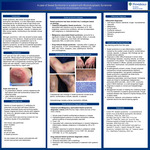
Introduction: Sweet syndrome, also known as acute febrile neutrophilic dermatosis, is a rare inflammatory disorder characterized by the abrupt onset of high fevers and exquisitely tender, erythematous skin lesions that may appear on virtually any area of the body. These lesions typically manifest as papules, nodules, or plaques and often evolve rapidly, contributing to the dramatic clinical presentation. Although uncommon—with only several hundred cases documented in the literature—Sweet syndrome remains an important diagnostic consideration due to its distinctive combination of cutaneous findings and systemic symptoms, as well as its potential association with underlying malignancy, infection, or medication exposure. Presentation: A 67‑year‑old man with a history of myelodysplastic syndrome, diffuse large B‑cell lymphoma in remission, and diabetes mellitus presented to the emergency department with a progressively worsening right lateral chest wall rash despite 1 week of doxycycline and cephalexin prescribed by urgent care. Discussion: Key learning points from this case; Sweet syndrome is a rare inflammatory condition marked by the sudden onset of painful, erythematous nodules, papules, or plaques. Skin findings can be variable across patients. Diagnosis is often difficult because it mimics other dermatologic diseases, including cellulitis, as initially suspected in this patient. The presentation varies and may be localized or diffuse, typically accompanied by acute fever, leukocytosis, and possible extracutaneous involvement.Its pathogenesis remains unclear, though proposed mechanisms include hypersensitivity reactions, cytokine dysregulation, and genetic predisposition. Sweet syndrome is classified into three forms: classical (often post‑infectious), malignancy‑associated, and drug‑induced. Increasing cases are linked to hematologic malignancies— particularly MDS and AML—and G‑CSF, commonly used in MDS treatment, is a well‑recognized trigger. Diagnosis is based on clinical and histopathologic findings Management focuses on treating the underlying cause. First line treatment is systemic glucocorticoids, though localized disease may respond to topical therapy alone in select cases Colchicine, dapsone, and potassium iodide are potential second line steroid sparing agents
Specialty/Research Institute
Graduate Medical Education
Specialty/Research Institute
Internal Medicine