

Files
Download Full Text (843 KB)
Publication Date
4-29-2026
Keywords
oregon, ppmc, ppmc gme
Disciplines
Medical Education
Abstract
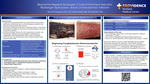
Case Presentation: 70-year-old male presented with one week of fever and a painful right lower extremity purpuric rash that rapidly evolved into fullthickness desquamation and necrosis. Concurrent multiorgan dysfunction: respiratory failure, renal failure with nephritic proteinuria, and severe thrombocytopenia refractory to high dose steroids. Extensive serologic workup for viral, autoimmune, vascular, and hematologic etiologies were pan-negative, including serum cryoglobulins twice repeated (QR code for table of workup). A PET scan for a broad evaluation found a hypermetabolic right inguinal lymph node. Discussion: Unique features of this case: His hematologic workup was convincingly negative in setting of having type 1 CryoGN. He is immunocompetent with disseminated cryptococcus. There is no current literature to link Cryptococcus to type 1 CryoGN. Sparse case reports of various fungal etiologies were associated vasculitides and nephrotic syndrome—two of which reported cryptococcal infections with associated crescentic and proliferative glomerulonephritis5,6,7,9,10. Unfortunately, EM findings were not described in first report and EM was not applied in the second report. Type 1 CryoGN – maintain a high index of suspicion for hematologic process. It warrants a comprehensive workup, including a BM Bx. Due to low sensitivity, serum cryoglobulin and other serologies are insufficient to definitively rule out cryoglobulinemia or CryoGN. Biopsy should be obtained if clinical suspicion is present. Though data is limited, this case flags Cryptococcus as a potential underlying etiology, and obtaining a CrAg is an inexpensive way to rule out its involvement.
Specialty/Research Institute
Graduate Medical Education
Specialty/Research Institute
Internal Medicine