

Files
Download Full Text (3.3 MB)
Publication Date
4-29-2026
Keywords
oregon, ppmc, ppmc gme
Disciplines
Medical Education
Abstract
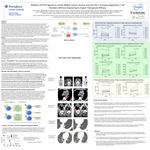
Background: DPV-001 is an off-the-shelf cancer vaccine containing tumor associated proteins commonly overexpressed in adenocarcinoma and squamous cell carcinoma. It is enriched for short-lived proteins (SLiPs) and defective ribosomal products (DRiPs), including both canonical and non-canonical (or “dark matter”) antigens —comprising over 100 identified non-canonical microproteins. These antigens are delivered in spectrin-coated microvesicles that contain 5 TLR/ NOD agonists and 15DAMPs/molecular chaperones, and target CLEC9A+ conventional dendritic cells (cDCs). Preclinical models showed enhanced antitumor responses when the murine analog of DPV-001 (DRibbles) was combined with co -stimulatory agonists. Additional studies showed enhanced antitumor responses when co-stimulatory agonists were combined with delayed PD-1 blockade (d.PD1), providing the rationale for this trial. As presented previously, DPV-001 + sequenced d.PD-1 +/- GITR showed promising response rates of 56% (PD-1naïve) and 33% (PD-1 refractory) in recurrent/ metastatic HNSCC. Here we combined treatment groups for analysis of response to treatment and evaluated changes in PBMC. Methods: Patients with recurrent/metastatic head and neck squamous cell carcinoma (HNSCC) were randomized to receive a heterologous prime-boost regimen of DPV-001 with sequenced d.PD-1(retifanlimab every 4 weeks), with or without a GITR agonist (INCAGN-1949 every 2 weeks). Serial blood samples were obtained for immunologic profiling. Flow cytometry was performed on PBMC using a BD FacsCalibur. Results: The objective clinical response rate in the combined groups was equivalent (4/9). Evaluation of T cell subsets, specifically activated or proliferating CD4 and CD8 effector memory T cells identified similar significant increases in patients regardless of whether they had received GITR agonist. One striking difference was a significant increase in the absolute number of peripheral blood regulatory T cells(Tregs) at week 4 in patients receiving the GITR agonist (p=0.0007). This occurred in the absence of a significant increase in the absolute numbers of CD3, CD4, or CD8 T cells. Conclusions: DPV-001 in combination with delayed PD-1 blockade ± GITR agonist demonstrated promising clinical activity in HNSCC, with response rates of 56% in PD-1 naïve and 33% in PD-1 refractory patients. While not appearing to impact clinical efficacy of the treatment, the significant increase in peripheral blood Treg numbers in patients receiving GITR agonist underscores the complexities that need to be appreciated when developing combination immunotherapies.
Specialty/Research Institute
Graduate Medical Education
Specialty/Research Institute
Internal Medicine