

Files
Download Full Text (461 KB)
Publication Date
4-29-2026
Keywords
oregon, ppmc, ppmc gme
Disciplines
Medical Education
Abstract
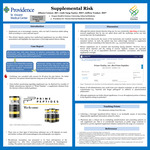
Introduction: Increasingly, it is the case that patients are using a variety of supplements. About half of American adults use supplements. ¹. The purpose of this case report is to consider the impact of surreptitious supplement use on clinical presentation and under score the value in gathering a robust patient history. Case report: A 58-year-old man with prior history of infective endocarditis (IE) resulting in bioprosthetic aortic valve replacement (2 years prior) presented with worsening left lumbar pain and low-grade fever. He was found to have Methicillin resistant Staphylococcus aureus bacteremia with L4/5 vertebral osteomyelitis and a left psoas abscess. The bacteremia etiology was unclear, and patient denied active drug use; urine drug screen was positive for the medications the patient had been given at urgent care. Cardiology was consulted with concern for IE given his past medical history. Upon further probing however, the patient disclosed 2 months of bidaily subcutaneous injection of a peptide supplement obtained from the internet without medical guidance. There were no clear signs of intravenous substance use or IE stigmata on exam and subsequent workup with transesophageal echocardiography was negative. Bloodstream inoculation was presumed to be from self-injection of the supplement complicated by hematogenous seeding. The patient Was treated with 6 weeks of IV vancomycin home infusion. Discussion: Although this patient denied injection drug use, he was consistently injecting an unregulated internet-sourced peptide supplement that he was not asked about until the cardiology service saw him several days into his hospital course. Were this not discovered, the source of his bacteremia and resultant sequelae may have remained unclear. As such, the patient may have unknowingly returned to supplement injection without counseling of the inherent risk; hence, continuing the vicious cycle of introducing nidus for recurrent bacteremiaDietary supplement use is common and increasing among patients¹. However, less is known about the vetting of supplement sources and non-oral methods of administration. Dubious vendors of products and information are especially concerning in an era of unparalleled electronic accessibility concomitant with limited supplement oversight. Harms of self-administration may result from poor injection technique as well as product contaminants—e.g., bacterial and fungal pathogens². Pharmaceutical adulterants are another possible source of injury³. Although supplement use holds clinical significance, it is an oft-neglected portion of history in the inpatient setting in particular⁴. Conclusion --- There are 2 takeaways from this case. 1) Collecting a thorough history is an invaluable means of uncovering diagnostically significant information missed in prior interviews. 2) Physicians play a critical role in combatting medical misinformation and counseling patients on safe and appropriate supplement use. This is of considerable importance as public usage continues to uptrend in a poorly regulated supplement industry catalyzed by the surge of e-commerce.
Specialty/Research Institute
Graduate Medical Education
Specialty/Research Institute
Internal Medicine