
-
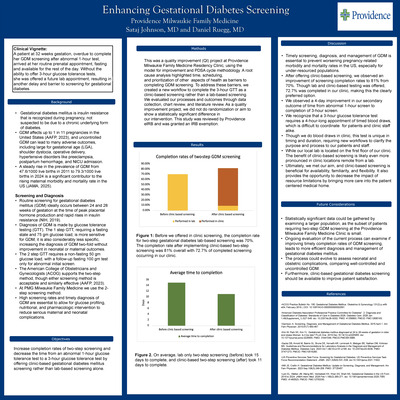
Tobacco Cessation Email Outreach in a Primary Care Setting
Katie Berry, MD and Meera Jain
Background: . • Tobacco use remains the #1 cause of preventable death in the United States • Providence Health and Patient Education Program offers resources for tobacco cessation (eg. Virtual classes), but few patients access these services • Xealth® is a digital healthcare technology company contracted with Providence that aims to provide digital content to improve patient care and resources to analyze data • Study purpose: Assess if digital outreach to patients helps engagement in tobacco cessation services • Our clinic was a pilot clinic to develop the intervention and assess efficacy prior to roll out to all Providence Medical Group clinics in Portland Metro area Methods: • .An email was sent to all patients actively using tobacco at PMG NE Clinic providing information on tobacco cessation and links to click if interested in quitting • The links notified the Health and Patient Education Program to personally call each interested patient to provide cessation resources (virtual behavioral health classes, an office visit in their primary care clinic to discuss tobacco cessation, and/or Oregon Quit Line and American Lung Association information) • We recorded the number of patients who clicked the link and which cessa tion options they chose to pursue if any. Conclusions: • Mass email outreach was not successful in engaging patients in tobacco ces sation • Barriers to participation: • Patients in pre-contemplative stages of quitting • Disregard to automated messages ([email protected]) • Difficulty with email navigation, • Length of email • Modifications to the email style and/or serial messages may result in higher participation rates • Video about tobacco cessation services from a physician in our practice to email patients might improve participation • If email outreach for tobacco cessation continues to be unsuccessful, investment should be directed to finding other methods for engagement
-

Acute Pain Management of Hospitalized Patients on Medication-Assisted Therapies (MAT) for Opioid Use Disorder (OUD)
Ryan Bower, Roland Mikkaeil, Emily H. Hsu, and Tracee Mock
Abstract: Buprenorphine has been an instrumental tool in Medication Assisted Therapies (MAT) for opioid use disorder (OUD). For hospitalized patients on MAT, the management of acute pain presents a unique challenge to health care providers. A previous study examining buprenorphine discontinuation patterns on medical/surgical floors found that 11.8% of patients had their buprenorphine discontinued due to inadequate analgesia. Furthermore, none of these patients had their buprenorphine restarted prior to discharge. Discontinuation of buprenorphine in hospitalized patients has the potential for wide-reaching implications ranging from risk of withdrawal to relapse secondary to patient loss during the transition from inpatient to outpatient care. To improve providers' understanding around buprenorphine and address potential misconceptions regarding its use, educational materials in the form of a presentation aimed towards healthcare providers were developed with guideline-directed strategies to manage hospitalized patients on buprenorphine for OUD. To assess the efficacy of the presentation, pre- and post-surveys were conducted to establish baseline knowledge and determine potential impact on clinical practice. Survey questions were designed using a Likert scale. Responses will be analyzed using a paired T-test. Results and conclusions are currently pending and will be shared upon project completion. (IRB exempt) Learning objectives: Examine the utility and success of education to healthcare providers on analgesic strategies for hospitalized patients on buprenorphine for OUD management. Presentation category: Education/academia/staff development; transitions of care/medication reconciliation; medication safety/quality improvement
-
Implementation of Medication Inventory Management Solution at a Critical Access Hospital
Justin Donat and Christopher Adams
Abstract: Accurately monitoring pharmacy inventory in real-time is vital to providing safe and cost-effective medical care at hospitals of any size. At smaller critical access hospitals, in particular, effective inventory management requires solutions to unique problems posed by floorspace, budget, and workflow limitations. In 2022, Providence Health System (PHS) began systemwide implementation of both a standardized inventory management solution (IMS) and an AI-assisted medication ordering software (MOS). By initiation of this project, larger hospitals in the system had already implemented the IMS and MOS at their inpatient pharmacies to mixed success. In May of 2024, Providence Hood River Memorial Hospital (PHRMH), a 25-bed bed critical access hospital, will go live with these products. The purpose of this project was to facilitate the implementation of both the IMS and MOS at PHRMH. This is a single center, prospective, observational analysis of medication inventory and associated workflows at a critical access hospital. Data was collected through a review of medication orders from the wholesaler, automated dispensing cabinet (ADS) dispenses, and electronic health record (EHR) administration records spanning from 1/1/2023 to 12/31/2023. Digital records were reviewed and validated by pharmacy technicians and pharmacists at PHRMH. The primary outcome is end-user satisfaction with the IMS and MOS. Secondary outcomes include on-hand inventory value, floorspace usage, out-of-stock frequency, order processing times, and inventory turnover frequency. Tiered check-ins are being conducted three times per week to facilitate cross-team communication and shared governance in decision-making. In the preparation phase, a total of 1198 products were linked among the electronic health record (EHR), the ADS system, the wholesaler’s ordering system, the MOS, and the IMS via a standardized ADS ID. Ordering and dispensing history from 2023, including nearly 136,000 ADS dispenses, were consulted to recommend par levels for each product. The pharmacy was then separated into 10 inventory storage areas (ISAs), based on size, physical location, and medication storage requirements. Whereas monoclonal antibodies accounted for roughly half of the inventory value in the pharmacy, one refrigerator was designated as its own ISA to house these drugs, aiding future audits. Physical and digital integration of inventory with the IMS is ongoing, as the go-live is planned for May, 2024.
-
Retrospective review of phenobarbital versus lorazepam for alcohol withdrawal Syndrome in the Emergency Department
Spencer Hayashi; Savita Bathija, PharmD, BCEMP; Paul Vanemmerik; Nishat Mujeeb; and Chris de las Alas
Abstract: According to the National Institute on Alcohol Abuse and Alcoholism (NIAAA), in the US, alcohol use contributes to up to five million emergency department (ED) visits annually. Alcohol withdrawal syndrome (AWS) is a serious and potentially life-threatening condition that can lead to complications such as hallucinations, seizures, and delirium tremens. For many years, the standard treatment for AWS has been symptom-triggered benzodiazepines, often dosed based on symptom scoring tools such as the Clinical Institute Withdrawal Assessment for Alcohol-Revised (CIWA-Ar) Score. In recent years, the use of phenobarbital for AWS management has gained popularity, and studies investigating its safety and efficacy seem promising. These studies have primarily compared phenobarbital to benzo-based strategies and suggest improved clinical outcomes with phenobarbital, such as reduced ICU admissions, reduced 30-day ED readmission, and reduced respiratory complications. However, this data is spread across various dosing strategies and populations over time, harming its external validity. The purpose of this study is to compare outcomes with current dosing strategies of lorazepam and phenobarbital in the management of AWS patients at an urban emergency department. This retrospective cohort review analyzes ED patients from September 2019 to August 2023 who were treated for AWS with either lorazepam or phenobarbital. Data has been collected for 211 lorazepam patients and 245 phenobarbital patients. Only those > 18 years old are included. The only exclusion is known hypersensitivity to either medication. The primary outcome is differences in hospital admission, with key secondary outcomes including respiratory complications, ICU admissions, and ED readmission within 7 days. Initial data collection is complete, and analysis is currently underway (IRB approved). Results will be shared as they become available. Learning objectives: Compare the safety and efficacy of lorazepam and phenobarbital for the treatment of AWS in the emergency department. Presentation Category: Critical care/cardiology/emergency medicine/ nutrition support
-
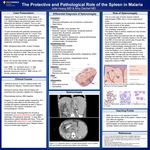
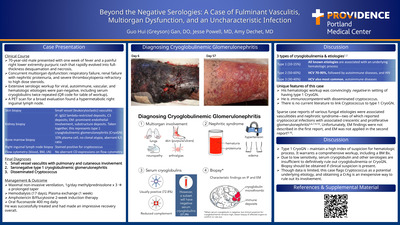
The Protective and Pathological Role of the Spleen in Malaria
Julie Hwang, MD and Amy Dechet
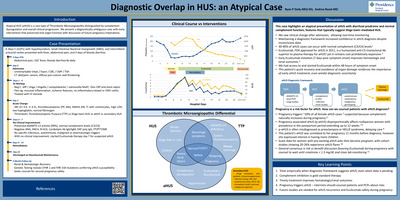
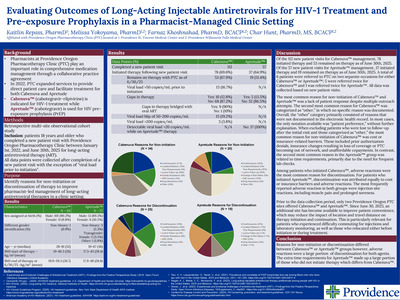
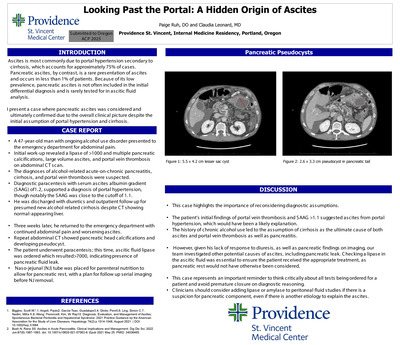
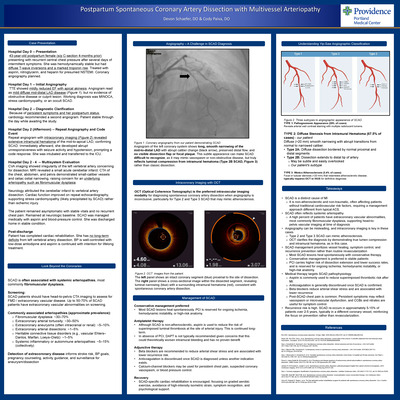
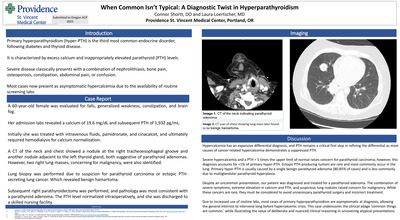
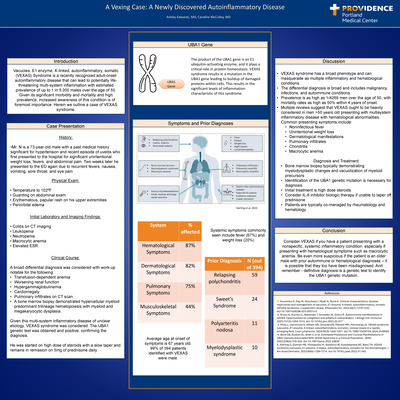
Case Presentation: • Background: There were 241 million cases of malaria globally. Compared to 2,000 cases in the U.S. Splenomegaly has previously been used to determine the severity of malaria. This is a rare case of hyper reactive malarial splenomegaly (HMS) due to chronic plasmodium ovale • 23 year-old female with gradually worsening left upper quadrant abdominal pain of 1 month. Pain sharp and stabbing in quality, no alleviating or aggravating factors. Associated with subjective early satiety and 10 Ibs weight loss, generalized weakness, shortness of breath • PMH: Schistosomiasis 2008,unclear if treated • Soc: Born in Congo and immigrated to the United States from Tanzania in 2008. Used to live near lake. No pets. No large animals. No recent travel. No alcohol or tobacco. • Exam: VS normal. Non-tender LUQ, splenomegaly 7.5 cm below the costal margin • Labs: WBC 1.6, neutrophil count 1.2, Hgb 11.4,Plt40, low reticulocyte count 1.1%, absolute reticulocyte count 47, BMP normal, LFT normal, pregnancy negative Clinical Course: • Infectious workup: O and P, malaria smear, HIV, Monospot all negative. Hepatitis panel negative. • Heme/onc workup: Bone marrow biopsy and peripheral flow cytometry negative for malignancy • Rheumatology workup: ANA negative • Imaging: CT with contrast--spleen measuring 18.9 cm causing mass effect to the left kidney and multi pleperi-splenic collaterals as seen in figure 1. Thrombus in the superior mesenteric vein. Echocardiogram--normal • Clinical Course: Anticoagulation for thrombus. Underwent laparotomy splenectomy with negative pathology. Pancytopenia resolved. 12 days af ter splenectomy, patient admitted with fever. Thick and thin smears with plasmodium ovale. Chloroquine and subsequent primaquine given. Repeat malaria smear 8 months later negative. Teaching Points: • HMS can occur in any species of malaria • Given the various roles of the spleen, malaria smear may often be negative • For patients with history of malaria exposure and splenomegaly not explained by any other cause, consider malaria and empiric treatment Discussion: Diagnosis of Lyme Disease CSF Lyme PCR negative in this case; generally has poor sensitivity • Sensitivity of antibody studies vary based on time from infection POT1 Mutation and Implications • Patient had personal history of melanoma and myxofibrosarcoma • Increased likelihood for chronic lymphocytic leukemia Development of CNS Symptoms • In neuroborreliosis, the spirochete invades the blood brain barrier gaining direct access to the CNS leading to inflammation and resulting symptoms • In secondary CNS lymphoma, metastasis of cells from the peripheral blood leads to symptoms • It is possible this patient had a peripheral lymphoma and invasion by the spirochete allowed cells to enter the CNS5-6 • It is also possible that neuroborreliosis is mimicking symptoms and diag nostic findings of a secondary CNS lymphoma2, 8 Treatment • Treated with ceftriaxone while hospitalized, transitioned to doxycycline at discharge for 21-day total course • Did not receive chemotherapy or other lymphoma directed treatment Follow-up • Repeat lumbar puncture at 4 months showed ongoing lymphocytic pleocytosis, but smaller number of cells compared to prior. Bone marrow biopsy was negative for lymphoma • Had almost total resolution of neurologic symptoms at 5 months Learning Points: • Testing characteristics matter. Learning more about Lyme antibody testing was key to diagnostics in this case • Symptoms of secondary (and even primary) CNS lymphoma and neuro borreliosis can look identical. More research needs to be done about fur ther diagnostics to help differentiate • In patients with appropriate expsoure history, it may be reasonable to con sider testing for Lyme antibodies with initial presentation of primary or secondary CNS lymphoma
-
Review of Current Dual-Antiplatelet and Triple Therapy Prescribing Practices At Providence Medical Group
Gina Kim, Christine Doran, and Lauren Powell
Abstract: Approximately 10% of patients with recent percutaneous intervention (PCI) have concomitant atrial fibrillation (AF) and others may have concomitant venous thromboembolism (VTE). This makes choosing the optimal antithrombotic regimen challenging. The ACC published a 2020 decision pathway to guide safe and evidence-based use of antiplatelet and anticoagulant combinations for certain patients. These situations include patients with prior AF on anticoagulation and the need for PCI, patients with new-onset AF requiring anticoagulation in a patient already on antiplatelet therapy for coronary artery disease (CAD), patients with prior VTE on anticoagulation and the need for PCI, and patients with new or recurrent VTE requiring anticoagulation in a patient already on antiplatelet therapy for CAD. Furthermore, patients with recent PCI may only be indicated for antiplatelet therapy for a specific duration, rather than life long. One intervention commonly performed by the Clinical Pharmacy Specialist (CPS) team is an assessment of a patient’s antiplatelet or anticoagulant therapy. However, these interventions commonly occur in patients who are referred to CPS through other means (eg as part of Clinical Practice Agreement (CPA) referral for a different indication). There could be many patients who are not assessed in this manner and potentially on certain antiplatelet and anticoagulation therapies/combinations that may have room for optimization. The purpose of this clinical inquiry is to identify patients prescribed antiplatelet and anticoagulant therapies and assess the appropriateness of their antithrombotic regimens based on the ACC guidance pathways. This is a retrospective chart review of patients prescribed antiplatelet and anticoagulant therapies who are followed at Providence Medical Group from January 2023 to March 2023. Reports will be generated via SlicerDicer in Epic to identify patients on antiplatelet and anticoagulant medications. Data collection points will be obtained through manual chart review. Descriptive statistics will be used to describe baseline characteristics of the study population and current prescribing practices of patients prescribed antiplatelet and anticoagulant therapies. Results and conclusions will be shared when the project is complete. (IRB exempt) Learning objectives: Identify patients prescribed antiplatelet/anticoagulant therapies and assess the appropriateness of their antithrombotic regimens. Describe current internal prescribing practices. Presentation Category: Anticoagulation; Medication safety/quality improvement; Transitions of care/medication reconciliation
-
Clinical Outcomes Associated with MRSA NAAT Utilization.
Shannon B. Leighton, PharmD; Emily Fox; and Greg Tallman
Abstract: A recent analysis by the Oregon Regional Antimicrobial Stewardship Program demonstrated that across the Oregon region, MRSA NAAT from the nares have a high negative predictive value (NPV) of 99.4%. These findings were consistent when stratified by culture site. The high NPV suggests that MRSA NAAT nasal swabs can be useful in promoting de-escalation (e.g., discontinuation) of anti-MRSA treatment. Few studies have evaluated if use of the MRSA NAAT influences anti-MRSA treatment de-escalation, and even fewer have assessed important clinical outcomes related to MRSA NAAT utilization and de-escalation. The goal of this study is to evaluate the frequency of early anti-MRSA therapy discontinuation, and clinical outcomes associated with early de-escalation of anti-MRSA therapy following MRSA NAAT results. This is a multi-center, retrospective cohort study of adult patients hospitalized at one of the eight hospitals within Providence St. Joseph Health System in Oregon between June 30th 2021 and December 24th 2022. Patients were included if they had an MRSA NAAT result during admission, received at least one dose of vancomycin for anti-MRSA treatment and were > 18 years old. Patient were excluded if they had a severe penicillin or cephalosporin allergy that precluded the use of MSSA-directed therapy or were on vancomycin for pathogens other than MRSA. The primary outcome of this study is to describe vancomycin use patterns among patients with MRSA NAAT results. The secondary objective is to assess clinical outcomes among patients who have early de-escalation of vancomycin after MRSA NAAT result compared to those with longer courses of vancomycin. Clinical outcomes include infection-related discharge readiness, treatment failure, hospital length of stay, all-causses mortality at 30 days, readmission within 30 days and acute kidney injury. We will summarize the final data set using descriptive measures such as proportions, means and standard deviation, and/or medians and interquartile ranges. We will present incidence rates for the analyses of the primary outcome of vancomycin de-escalation. Clinical outcomes between groups with early vs late/no de-escalation will be initially compared using Chi square and Fisher’s exact tests, as appropriate. To adjust for potential confounders, exploratory analyses using logistic and/or Cox proportional hazards regression will be performed. For the secondary outcomes, we will summarize the final comparative data by performing a logistic regression analysis. Results and Conclusions will be shared when the project is completed. (IRB approved). Learning Objectives: Discuss MRSA NAAT results and the clinical outcomes associated with patients who have early de-escalation following a negative MRSA NAAT compared to those who continued longer courses of vancomycin. Presentation Category: Acute internal medicine/general pharmacotherapy, Infectious Disease, Medication safety/quality improvement
-

Development of Behavioral Health “Selective”: A Response to New ACGME Requirements
Iman Malik and Jen Hill
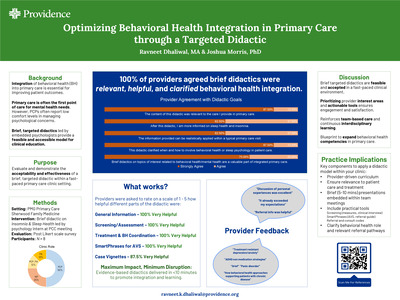
Context or Background: Providence Oregon Family Medicine Residency has set out to create 5 individual elective tracks, called “selectives”, both in response to the ACGME’s increased requirement for elective time in AY 2024-2025 and as a way to provide intensive learning in highly relevant content areas for resident and early-career physicians. This poster presentation details the process of creating one of these elective tracks, the Behavioral Health selective. Goals and Objectives: • Share a structure to adapt a current curriculum to meet new ACGME requirements • Describe an approach to identify local community partners that could collaborate with their program to provide well rounded education to residents • Begin designing elective curricula that provide a robust experience for residents in relevant topics Methods: Senior residents, collaborating with faculty members, in-house multidisciplinary teams and community partners, have taken on the task of completing a needs assessment, establishing local partnerships and creating curricula that are both logistically sustainable for the program and educationally enriching for future residents without burdening them with the task of having to find 6 months of learning opportunities. Current research also points to the need for such learning. “In the context of policy and care delivery changes, equipping primary care providers to address mental health needs is crucial.” (1) Discussion/Conclusions/Next Steps: These curricula will be rolled out in AY 2024-2025 with further plans to assess their impact via pre and post selective surveys. Surveys will be disseminated electronically and will collect self report data on residents’ comfort treating patients with depression, anxiety, insomnia, PTSD, and SPMI. The post survey also elicits self report data on the relevance, practice-impact, and suggested improvements for the selective. References: 1. Physician Quality Information | Health Affairs. (n.d.). https://www.healthaffairs.org/doi/abs/10.1377/hlthaff.2019.00375
-
Titratable, Weight-Based Cisatracurium Infusions for Ventilation Synchrony in ARDS
Nanako Miimi, PharmD and Celine Munoz
Abstract: Cisatracurium is a non-depolarizing neuromuscular blocking agent used for paralysis in paitents with acute respiratory distress syndrome on mechanical ventilation. Paralysis prevents ventilator dyssynchrony and reduces patient’s work of breathing, which decreases the risk of pneumothorax. On November 1, 2023, PSVMC critical care units transitioned from fixed dosing of cisatracurium for ARDS to a weight-based, titratable dosing protocol. A single-center retrospective cohort study demonstrated cisatracurium titrated using train-of-four was associated with similar ventilatory and clinical outcomes with three folds reduction in cisatracrurium dose in comparison to fixed dose strategy. The purpose of this project is to evaluate the drug utilization and cost savings of the newly implemented cisatracurium dosing strategy in comparison to the previous fixed dose protocol. This is a single-center, retrospective review of patients >18 years old who received cisatracurium for ventilation synchrony in ARDS in the intensive care unit. The primary endpoint is the average dose of cisatracurium administered. The secondary endpoints include duration on mechanical ventilator, length of ICU stay, length of hospital stay, dose of sedatives and analgesics needed during paralysis, ventilator settings prior to and during paralysis, and re-initiation of cisatracurium after discontinuation. Data was collected via EPIC SlicerDicer and manual patient chart review for cases between November 1, 2022 and February 29, 2024. A total of 14 patients were assessed during pre- and post-protocol change. Results and conclusions will be shared when the project is completed. (IRB approved)
-
Improving Resident Education Regarding Inpatient Emergency Situations
Robell Morehouse
Context or Background: Family Medicine residencies are required to provide their residents with robust inpatient education and clinical experience. Emergency situations are an integral part of inpatient medicine and improved education regarding these situations can lead to improved patient safety/clinical outcomes & decrease resident wellness surrounding these stressful situations. Most of our formal education surrounding emergency situations is regarding code blues and ACLS management which leaves an educational gap surrounding rapid response teams (RRTs). Objectives: The goal of my project is to improve education surrounding RRTs, specifically by developing a framework to approach RRTs & develop practice opportunities Methods: Formal education via afternoon of multidisciplinary didactics, practice cases, dot-phrases Discussion/Conclusions/Next Steps: Additional practice case development, orientation presentation or noon report
-
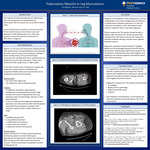
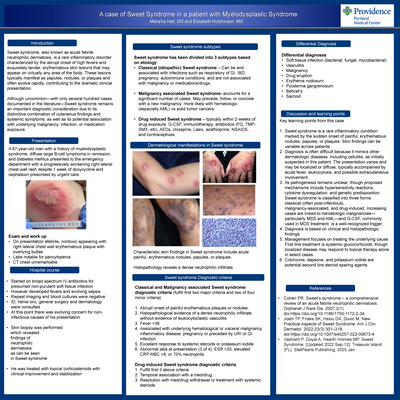
Tuberculous Myositis in the Leg Musculature
Tho Nguyen, MD
Introduction - The majority of active Mycobacterium tuberculosis cases are pulmonary, but extrapulmonary tuberculosis (TB) can account for up to 30% of active cases. Cases of tuberculosis myositis are rare and account for less than three percent of active cases and diagnosis is often delayed due to its rarity. We present a case of TB myositis and discuss the difficulties in diagnosis Case - Patient is an 82-year-old Vietnamese speaking female with hypertension and hyperlipidemia who presented for acute onset of nausea and vomiting in setting of three-month history of recurrent left lower extremity (LLE) swelling without systemic symptoms such as fever, weight loss, or night sweats. Patient reported several courses of antibiotics including sulfamethoxazole trimethoprim, clindamycin, and cephalexin in the past 3 months for presumed cellulitis with some improvement of LLE swelling but without full resolution. On physical exam, the patient had LLE tenderness with increased warmth. CT of LLE demonstrated extensive heterogeneous enhancement within the left gluteal and hamstring musculature with multiple irregular fluid collections present. The patient underwent drain placement for small fluid collections in left lateral thigh and hip. Atypical infections were considered including TB myositis and granulomatous myopathy. Work up was significant for mildly elevated CRP and a positive Quantiferon Gold test. AFB smears from abscess and sputum were negative as were bacterial cultures from the abscess. Treatment was recommended but not started until drain fluids grew Mycobacterium tuberculosis after the patient was discharged. On review of patient’s risk factors, her husband had latent TB but biggest risk was likely coming from an endemic area (Vietnam). The patient finished off 6 months of therapy with good response to treatment. Discussion – Diagnosis of TB myositis is often delayed as its clinical manifestations may mimic malignancy and infectious or inflammatory myositis syndromes. It is also not uncommon for patients presenting with TB myositis to not have systemic symptoms which may delay diagnosis. Clinical suspicion for TB myositis should be high in patients with risk factors for TB who present with swelling of the soft tissues, who do not respond to standard antibiotic therapy, and who have negative bacterial cultures. Diagnostic evaluation should include CT imaging, biopsy sent for pathology, bacteria and AFB smears, and cultures. Maintaining a high clinical suspicion for TB myositis is important because early diagnosis and treatment can improve prognosis and overall reduce risk of TB transmission.
-
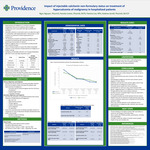
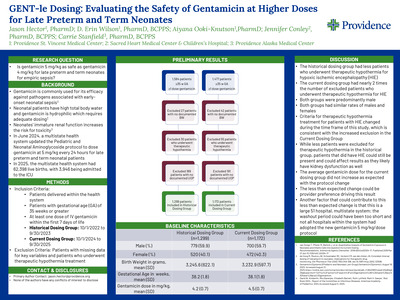
Impact of Injectable Calcitonin Non-Formulary Status on Treatment of Hypercalcemia Of Malignancy in Hospitalized Patients
Ngoc Nguyen, Pamela Levine, Patricia Leo, and Andrew Jarrell
Purpose: Evidence suggests there is limited benefit in using injectable calcitonin for the treatment of hypercalcemia of malignancy. Based on this evidence and in the setting of increased drug costs, many institutions have opted to either restrict or remove calcitonin from their formulary. The purpose of this study was to describe the patient populations receiving treatment for hypercalcemia of malignancy and to evaluate the clinical and financial impact of injectable calcitonin being removed from formulary in an acute care setting. Methods: This retrospective cohort study was reviewed by the Providence Institutional Review Board. Patients were identified through EPIC electronic medical record reports. Adult hospitalized patients (≥ 18 years old) who presented with an elevated corrected calcium level >10.4 and who received either injectable calcitonin from January 2018 to March 2022 (calcitonin group) or injectable bisphosphonates (pamidronate or zoledronic acid) or denosumab from May 2022 to September 2023 (no-calcitonin group) were included. Patients who received these agents for an indication other than hypercalcemia of malignancy were excluded. The following data were collected from EPIC reports and a chart audit: patient age, sex, ethnicity, severity of hypercalcemia, treatment indication, treatment regimen, drug treatment cost, calcium levels, albumin levels, renal function (SCr and CrCl), ICU admission and length of stay, and cancer diagnosis. Serum calcium levels, hospital length of stay, in-hospital mortality, and treatment cost were compared between the two groups. Results: Demographic data between the calcitonin and no-calcitonin groups were similar. The median age was 69 years and 72 years, and the median length of stay was 7 days and 8 days for the calcitonin group and the no-calcitonin group, respectively. In the calcitonin group, 3% of patients were admitted to an ICU admission as compared to 4% in the no-calcitonin group. In-hospital mortality was 15% in the calcitonin group compared to 8.5% in the no-calcitonin group. The most common cancer diagnosis was hematological malignancy in both groups. In the calcitonin group, the hypercalcemia severity was 0% mild, 47% moderate, and 53% severe. In comparison, in the no-calcitonin group, the hypercalcemia severity was 19% mild, 53% moderate, and 28% severe. The most common agent used to treat hypercalcemia of malignancy in both groups was zoledronic acid, with 67% use in the calcitonin group and 87% use in the no-calcitonin group.
-
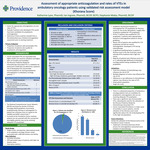
Assessment of Appropriate Anticoagulation and Rates of BTE in Ambulatory Oncology Patients using a Validated Risk Assessment Model (Khorana Scote)
David Page; Alan Su; Nikki Moxon; Staci Mellinger; Tracy L. Kelly; Katherine Lyon, PharmD; Ian Ingram; and Stephanie Matta, PharmD, BCOP
Abstract: Cancer associated venous thromboembolisms (VTE) are associated with higher health care resource utilization (number of hospitalizations, hospital length of stay, inpatient/outpatient medical services) and can complicate treatment of cancer. The Khorana Predictive Model for Chemotherapy-Associated VTE is a validated risk assessment model that determines a patient’s risk of developing VTEs and provides recommendations for starting prophylactic anticoagulation in ambulatory oncology patients. The Khorana Score is composed of various patient characteristics including site of primary cancer, prechemotherapy platelet count, hemoglobin level, prechemotherapy leukocyte count, and BMI. National Comprehensive Cancer Network (NCCN) supportive care guidelines recommend prophylactically starting an anticoagulant if a patient has a Khorana score ≥2. Currently at the Providence Cancer Institute, there is no process in place that utilizes the Khorana Predictive Model in our ambulatory oncology patients. The purpose of this clinical inquiry is to assess the current practice of VTE prophylaxis and identify the need for a system wide implementation of the Khorana Predictive Model. This is a single institution retrospective chart review of patients 18 years or older who were on chemotherapy at Providence Cancer Institute outpatient facilities from September 2022 through September 2023. Patients participating in clinical trials were excluded from this study due to clinical trials may have specific management requirements, adverse event reporting, or rules surrounding addition of other medications. Patients Reports were generated via Slicer Dicer in EPIC to identify patients with specific cancer diagnosis and BMI. Patient charts were reviewed to assess the pretreatment hematologic parameters needed to calculate Khorana scores. Rates of VTEs and compliance with NCCN VTE prophylaxis guideline recommendations were evaluated in multiple subgroups using descriptive statistical analyses. Results and Conclusions will be shared when the project is completed. (IRB exempt) Learning Objectives: Discuss the literature surrounding the Khorana Predictive Model. Describe the implications of utilizing a VTE risk assessment model in ambulatory oncology patients. Presentation Category: Anticoagulation; Hematology/oncology/ immunology/transplant; Ambulatory care/ disease state management
-
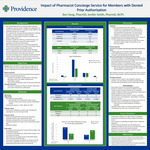
Impact of Pharmacist Concierge Service for Patient with Denied Prior Authorization
Ben Song and Jenifer Smith
Abstract: Prior authorization (PA) is an evidence-based utilization management process used by managed care organizations to ensure prescribed products or services are safe, effective, and medically necessary for coverage.2 While PA is important for assessing clinically appropriate medication utilization, however, denials can lead to patient dissatisfaction, administrative burden for providers, and delays in patient care.1,2,3 Recent studies on the effect of PA received mixed results. One study illustrated that in an American Medical Association survey about PA, 91% of physicians reported that patients requiring care experienced care delays, and 75% of patients abandoned their treatments because of obstacles associated with the PA process.4 However, another study noted that PA helped curb the opioid epidemic by requiring submission of appropriate diagnoses or attestation from multiple prescribers for duplicative opioid therapy.1 Providence Health Plan (PHP) currently has a subset of high-volume PA requests for non-formulary medications, with most of the determinations resulting in denials. With denials, PHP sends denial explanation letters to both providers and patients, including reasons for denial and formulary alternatives that would be covered. In addition, PHP has a service, Rx Saving Solutions (RxSS), that can help patients identify cost-effective formulary alternatives. However, the usage of this service is limited depending on patients’ knowledge of technology. The purpose of this project is to assess the effect of a pharmacist concierge service for PA denials, which provides telephonic education to patients regarding formulary alternatives and RxSS utilization. This project identified Commercial and Medicare patients with PA denial for a non-formulary inhaler in 2024 using PHP’s internal PA review system, health plan eligibility information, and claims history from January 2024 through April 2024. Patients were excluded if they had a paid claim for formulary medication before a PA denial. This pilot project consists of patients who were separated into two comparator groups in two separate timeframes: 1) patients not receiving concierge service (standard denial) in January 2024; 2) patients receiving concierge service within five days of the denial throughout each week in March 2024. The primary outcomes are 1) time to first paid pharmacy claim for formulary alternative; 2) proportion of patients with paid claim for formulary alternatives within two weeks of denied PA request. The secondary outcome is the proportion of Medicare patients enrolled in RxSS within one month of denied PA. Outcomes will be compared between the two groups. Results may guide future concierge service for the improvement of adherence and health outcomes. Results and conclusions will be shared when the project is completed. (IRB exempt) Learning Objectives: Describe the effectiveness of a concierge service in addition to the standard denial process of a prior authorization Presentation Category: Managed care; clinical services development; formulary management
-
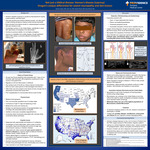
Not just a Biblical Disease: Hansen’s Disease (Leprosy) Oregon’s unique differential
Zach Taylor, Justin Jin, Andrea Roast, and Amy Dechet
Background: Hansen’s disease (leprosy) is caused by a gram-positive, acid-fast bacilli called Mycobacterium leprae. It is very slow growing and has an indolent disease process. The disease is more prevalent in underdeveloped countries with poor access to care including Brazil, India, sub-Saharan Africa, and the Pacific Islands including Micronesia and the Philippines. However, it is becoming in creasingly common in the United States, specifically in areas with high levels of immigration from Micronesia. Case: Our patient was a 35-year-old Micronesian man who presented with 7 days of non-traumatic right hand pain with progressive swelling. He migrated to US from Micronesia in childhood and worked most of his life as a factory laborer. He often finds cuts and scrapes to his hands at home, though has no awareness of events that cause them. He does have a PMHx of prior hospitalization for burns/ scalds that he could not feel. His exam was pertinent for bilateral hand gangrene, prior loss of multiple digits, and multiple patches of neuropathy over his arms/ legs. He was diagnosed with osteomyelitis of the hand and started on appropriate IV antibiotics. However, the constellation of hand deformities, patchy areas of severe neuropathy, facial nerve findings and country of origin was concerning for leprosy. He was diagnosed over video consult with Hansen’s disease by a leprosy expert at the National Hansen’s Disease Center in Baton Rouge, LA. However the patient declined treatment and was lost to follow-up. Discussion: Hansen’s disease is largely a clinical diagnosis that has classic physical exam findings. There are nearly 250,000 new cases yearly in endemic regions, of which Micronesia is one. Interestingly, Micronesia is a part of the Compact of Free Association of the United States meaning that Micronesians can come/go to the U.S. at any time. Due to environmental and economic reasons, many Micronesians continue to migrate to the U.S. In fact, the Willamette Valley has one of the highest populations of Micronesians outside of Micronesia. There remains a lot of stigma surrounding this diagnosis related to prior perceptions that leprosy was highly communicable and untreatable. We now know this is not true, yet the stigma persists, and patients continue to suffer isolation, discrimination and hesitancy to see doctors. Conclusion: Hansen’s disease (leprosy) is rare, but it is here in Portland and the PNW, largely because of Micronesian migration patterns. Leprosy is a clinical diagnosis; endemic area + classic symptoms of hypopigmentation, patchy neuropathy and thickened nerves. There are Hansen’s Centers that can aid in diagnosis and guide treatment. Understanding stigma and correcting misinformation about futility of treatment and communicability may help overcome resistance to seeking care.
-
Point of care Ultrasound (POCUS) Curriculum: A Needs Assessment
Andrew Tobler
Background: The ACGME, in the most recent changes, has implemented that all Family Medicine programs are to include ultrasound or POCUS training. We have historically had residents with an interest in POCUS who have completed self-directed learning but have not yet formed a formal curriculum. Objective: To assess the educational needs for a POCUS curriculum using a needs assessment survey which included current residents and faculty Methods: Utilizing guidance from AAFP regarding proposed training topics and structuring a curriculum utilizing Kern’s 6 step curriculum design, a survey of eight-questions was submitted to faculty and residents. The focus was to assess the respondents, role within the residency, experience in POCUS, where experience was gained, which scans or systems are most meaningful, number of scans preformed in the last 3 months and barriers in competency and practicing. Results: 23 total respondents; 10 faculty and 13 residents responded to the survey. 69% of respondents selected being extremely interested or very interested in learning additional POCUS skills. 90% of respondents selected being somewhat familiar or less when assessing their experience. Most acquired experience came from medical school, online training courses, and faculty development courses. 95% of respondents selected POCUS as a tool that should be utilized in practice. When assessing recent usage in the last 3 months; 5% responded to 0 scans, 45% 1-3 scans, 15% 4-9 scans, and 15% 10+ scans. Respondents selected OBGYN, MSK/soft tissue, bladder scan, and volume assessment as the most important scans to achieve proficiency in. The biggest barrier to integration, agreed upon by 86% of respondents, was lack of confidence in obtaining the correct image followed by an inability to interpret images and the lack of an ultrasound pathway or curriculum to obtain and maintain POCUS practice and skills. Conclusion: The importance of POCUS training was widely agreed upon although our internal skill, usage and experience vary. Understanding the barriers to perceived competency and curriculum efforts can be made to improve confidence in image acquisition and interpretation through a structured curriculum to improve collective POCUS skill. Next steps: • Using previously successful curriculum development methods, a POCUS curriculum will be implemented in 2 to 3 years implementing didactic, hands on and • independent learning styles with a focus on OBGYN, POCUS, bladder, and volume assessment. • Efforts will be made to train internal faculty to have expertise to train residents and faculty • Enhance and form relationships across disciplines who utilize POCUS • Dr. Bin Chen PGY-2 will continue the implementation of preliminary curriculum development • Post implementation survey
-
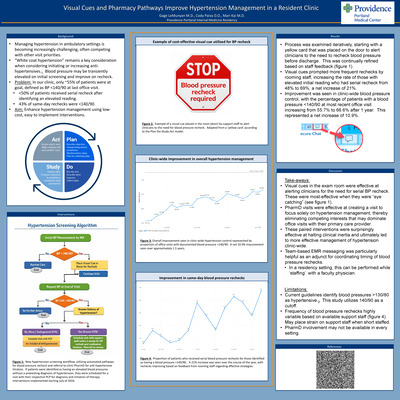
Evaluation of Pharmacist Impact on Blood Pressure Metrics at Providence
Kathy Trinh, Chelsea Houshour, and Judy Wong
Abstract: PMG in the Oregon region has a strong primary care clinical pharmacy service integrated within care teams. Providers and clinic team-based workflows may refer patients to a clinical pharmacy specialist (CPS) for hypertension (HTN) management to assist in achieving blood pressure (BP) metric target of < 140/90 mmHg. BP metric data in PMG Oregon clinics are tracked in the electronic health record (EHR) within “episodes of care” (EOC) forms, which allows for pharmacist-specific data tracking. This study evaluates the impact of pharmacist-provided comprehensive medication management (PCMM) on BP metric data for all PMG clinics in the Oregon region. Secondary outcomes will evaluate the change in BP after CPS intervention(s), compare BP outcomes from overall clinic performance vs. PCMM at each PMG clinic, and compare CPS workflow models for HTN and how it impacts BP outcomes. This study is a retrospective, observational chart review of patients who received PCMM with an EOC form documented between January 2023 to October 2023. Patients are included if they are 18+ years old, established care with a PCP at PMG clinics in the Oregon region, and have a pharmacotherapy EOC for HTN documented in the EHR with clinical pharmacy services. Patients are excluded if they are on hospice or end of life care, have end stage renal disease, receiving dialysis or have a kidney transplant, pregnant, or incarcerated. Analysis of results pending. Anticipate study will demonstrate the positive impact on HTN metrics when CPS are involved in clinic workflows and managing patients collaboratively. (IRB approved) Learning objectives: • To quantify the average change in SBP and DBP (mmHg) after CPS intervention(s) for HTN management • To evaluate BP outcomes from overall clinic performance compared to pharmacist-provided comprehensive medication management for HTN at each PMG clinic in the Oregon region • To compare the different CPS workflow models for HTN and how it impacts BP outcomes Presentation Category: pharmacy practice, quality improvement
-
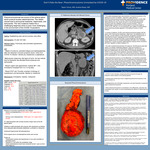
Don’t Poke the Bear: Pheochromocytoma Unmasked by COVID-10
Taylor Virtue and Andrea Roast
Introduction: Pheochromocytomas are tumors of the adrenal gland which produce excess catecholamines. The classic clinical triad is paroxysmal headache, diaphoresis, and tachycardia. The rare incidence makes this a challenging diagnosis which is even more challenging in the environment of the COVID-19 pandemic. Case Presentation: Setting: Establishing care visit at a primary care office Demographic: 42 year old male Medical history: Previously well-controlled hypertension, prediabetes HPI: • Weeks of profound, persistent fatigue and lightheadedness after the resolution of acute symptoms (fever, chills) from COVID-19 infection. Denies any headaches or palpitations. • Meticulously measuring vital signs at home. He has noticed that he frequently has elevated blood pressures and tachycardia. • Recent urgent care appointment: Systolic BP > 200. Amlodipine increased from 5 to 10 mg daily. • Recent PCP visit: Provider uncertain of etiology of hypertension and tachycardia. Started on metoprolol. Medications: Amlodipine, losartan, metoprolol Notable recent lab work: WBC count: 13.6 Platelets 481 Calcium: 10.4 ALP: 162 A1c: 6.7% Discussion: • This patient developed signs and symptoms of pheochromocytoma in the setting of a COVID-19 infection. There are 5 case reports of pheochromocy toma becoming similarly exacerbated during or shortly after acute infection with COVID-19 [2-6]. Pheochromocytomas will produce catecholamines but may remain dormant or only provoke paroxysmal symptoms given the variability of active hormone secretion. There is histopathologic evidence that the adrenal gland is a prominent target of COVID-19 [7]. With this, it is not surprising to see a pattern of these adrenal tumors becoming clinically apparent in the setting of current or recent infection. • A minority of patients (10-36%) with pheochromocytoma present with the classic triad of paroxysmal headaches, diaphoresis, and palpitations [9]. In this case, we see evidence of less frequently recognized consequences of catecholamine excess: hyperglycemia and orthostatic hypotension. Hyperglycemia is thought secondary to gluconeogenesis and decreased insulin release driven by increased adrenergic stimulation [10]. Orthostatic hypotension is driven by excess catecholamines causing volume contraction and down regulation of alpha receptors [11]. • The rarity of pheochromocytomas (0.8 cases per 100,000 person-years [8]) makes it an already challenging diagnosis. Signs and symptoms of pheo chromocytoma such as tachycardia, headaches, and dizziness can easily be misattributed to the acute infection and potential sequelae of COVID-19 (e.g. long COVID syndrome, pulmonary embolism). The broad range of presentations of COVID-19 in both the acute and post-infectious period exacerbates the risk of diagnostic premature closure and anchoring. • When pheochromocytoma is on the differential, it is important to prescribe medications with caution given the risk of exacerbating a hypertensive crisis. Classic teaching includes avoiding beta blockers to avoid uninhibited alpha stimulation inciting hypertensive crisis. However, other medications including dopaminergic antagonists, corticosteroids, TCA’s, MOI’s, NERI’s, sympathomimetics, chemotherapies, and opiates are also known to provike clinic worsening. Take Away Points: • COVID-19 can clinically unmask pheochromocytoma through the infection’s direct impact on the adrenal glands. • Avoiding early anchoring is key to diagnosing pheochromocytoma in the age of COVID-19. • Hyperglycemia and orthostatic hypotension are less frequently recognized signs of pheochromocytoma. • When pheochromocytoma is considered in the differential, prescribe new medications with caution to avoid exacerbating the effects of catecholamine excess.
-
Development and Implementation of an Academic Detailing Service for Hypertension in in Primary Care
Emily Watt; Abby Frye, PharmD, BCACP; and Jayme Johnson
Hypertension is the number one modifiable cardiovascular risk factor and yet, remains one of the most challenging disease states to attain adequate control in. According to the National Health and Nutrition Examination Surveys (NHANES), less than 50% of adults with hypertension were considered controlled as of 2018, based on a hypertension definition of ≥ 140/90 mmHg. Academic detailing is an interactive educational outreach strategy that has been shown to improve evidence-based prescribing patterns. The objective of this quality improvement project is to develop and implement a clinical pharmacist-led academic detailing service for hypertension in a primary care setting, emphasizing improving provider knowledge in prescribing practices that have been shown to increase large-scale hypertension control rates. This objective was measured by a survey sent to prescribers before and after the detailing session that gauged knowledge and confidence in the key messages. Individual sessions with each provider were conducted to review best practice recommendations in conjunction with any areas identified for improvement in their prescribing patterns based on a brief review of their patient panel. Toolkits were developed for both the detailer and the provider. Key messages relayed during these sessions included use of single-pill combination antihypertensives, recommended follow-up and monitoring, and utility of 24-hour ambulatory blood pressure monitoring. Results and conclusions will be shared when the project is completed.
-
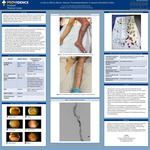
A clot to Worry About: Venous Thromboembolism in Severe Ulcerative Colitis
Jin Yun, DO and Donald Lum
Introduction: Patients with inflammatory bowel disease (IBD) have an estimated three-fold higher risk of venous thromboembolism (VTE) compared to the general population. We present a case of a 19-year-old female with phlegmasia curelea dolens and massive pulmonary embolism in the setting of severe ulcerative colitis. Case Presentation : • 19-year-old female with iron deficiency anemia and three-month history of hematochezia, recently started on oral contraceptive pills. • Presented with acute left lower extremity pain, swelling, and cyanosis concerning for phlegmasia curulea dolens and compartment syndrome. • Underwent emergent thrombectomy, venoplasty, and fasciotomies. • Post-operatively, course complicated by obstructive shock and severe right heart failure due to massive bilateral pulmonary embolism requiring VA ECMO, heparin, and right sided aspiration thrombectomy (Figure 5). • Patient had a positive lupus anticoagulant and mildly elevated anti cardiolipin antibody (44.1) suggestive of possible antiphospholipid syndrome (APS), otherwise work up for hypercoagulability was negative (Figure 1). No family history of VTE or thrombophilia. • As she developed worsening hematochezia and abdominal pain, the patient underwent a colonoscopy which showed severe ulcerative pancolitis. • Patient received IV steroids and induction with Infliximab. Conclusions: • We describe a case of a patient who presented with massive thrombosis in the setting of having three risk factors for VTE: severe IBD, OCP use, and possible APS. • IBD is a well-recognized risk factor for VTE. Between 60-80% of IBD patients have active disease when they develop VTE, and studies suggest there is a six-fold higher risk for VTE in patients hospitalized for IBD flares than those that have non-hospitalized flares. • General recommendation is patients with VTE who have coexisting IBD do not need testing for hereditary or acquired hypercoagulable states. • Consideration of anticoagulant thromboprophylaxis is a vital component in the management of IBD patients (Table 2). • With her known history of iron deficiency anemia and hematochezia, IBD was likely a missed diagnosis. • We conclude IBD should be considered in the differential of venous thromboembolism.
-
Intratracheal Lidocaine and Postoperative Sore Throat at Providence Sacred Heart Medical Center and Providence Holy Family Hospital
Jennifer Cowgill, Scot Pettey, and Kenn B Daratha
Background Postoperative sore throat (POST) is a common side effect from general anesthesia (GA) and has a prevalence of 14.4-50%.1 The experience of POST contributes to patient discomfort during recovery from surgery. The etiology of this is thought to be from tracheal mucosal erosion from the cuff of the endotracheal tube (ETT), trauma from intubation, coughing and bucking, and friction between the ETT and the tracheal mucosa during general anesthesia.2 Risk factors shown to contribute to the development of POST include, but are not limited to, elderly age, smoking history, patient positioning, ETT cuff pressure, and movement of ETT during procedure.2,3 The presence of POST after surgery can affect patient comfort during the post-operative recovery period and ultimately, impact patient satisfaction.
Methods • A retrospective, observational, EPB project was conducted at Providence Sacred Heart Medical Center and Providence Holy Family Hospitals. • CIRC approval and IRB exemption was obtained. • A HIPPAA compliant REDCap database was used to securely store deidentified extracted data. No PHI was collected. • The outcome of post-operative sore throat was assessed. • Exposure to various modalities of intra-tracheal lidocaine was assessed. • Surgical patients undergoing elective general anesthesia with endotracheal tube from January 1 to December 31 of 2019 were included. • Exclusion criteria: Non-ETT general anesthesia with age• An a-priori power analysis revealed 785 records would power results (1- β=0.80, α=0.05, Df=1, W=0.1). • Univariate analysis was done on categorical and continuous data. • Bivariate analysis for POST and lidocaine was conducted and RR, CI, and chi-Square p-values were reported. • Binary logistic regression analysis was performed.
Discussion This retrospective observational EBP study shows that rates of POST among patients receiving GA with an ETT are 21% (n=318). Of the POST group, 81% did not receive any form of intratracheal lidocaine (n=282). The most common form of intratracheal lidocaine used was via laryngotracheal topical anesthesia (LTA). Limitations of this study include small sample size, limited and subjective reporting of POST, and inconsistent documentation of intratracheal lidocaine. Multiple studies support the use of intratracheal lidocaine to prevent the development of POST after general anesthesia with an ETT.1 This EBP project shows that there was a statistically insignificant reduction of POST with the use of 4% LTA. However, this study may generate hypothesis about LTA use, given limited research published on the use of LTA’s for POST. Lidocaine gel 2% showed statistically significant reduction in POST. Only one occurrence of intra-cuff lidocaine was documented, showing no reduction in POST, however there is strong research evidence showing the effectiveness of intra-cuff lidocaine on the reduction of POST. 4 This study may inform further hypothesis about group characteristics of patients receiving intratracheal lidocaine.
-
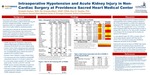
Intraoperative Hypotension and Acute Kidney Injury in Non-Cardiac Surgery at Providence Sacred Heart Medical Center
Elizabeth Davison, Amanda Affleck, and Kenn B Daratha
Background Acute kidney injury (AKI) is a serious postoperative complication that increases a patient’s risk for both long and short-term morbidity and mortality.1 Intraoperative hypotension (IOH) is an independent risk factor for AKI,2-5 which can be readily modified by anesthesia providers. This project aims to describe the risk factors and rates of AKI following IOH at various absolute mean arterial blood pressure (MAP) thresholds for specified durations of time among adults undergoing non-cardiac surgery at Providence Sacred Heart Medical Center (PSHMC).
Methods PSHMC approved this retrospective, observational evidence-based project and deemed the project exempt by the Institutional Review Board from human subjects testing. Project inclusion criteria consisted of adults undergoing general anesthesia for non-cardiac surgery at PSHMC from 2015-2019 with pre- and postoperative serum creatinine lab results to evaluate for AKI via the KDIGO Criteria. Obstetrics, urology, dialysis history and records with missing serum creatinine values were excluded. The study group was further stratified by recorded MAP measurement intervals of ≤ 5 minutes to capture IOH. An a-priori power analysis revealed 2,181 records would power results (1-β=0.80, α=0.05, Df=1, W=0.06). PSHMC sponsor extracted, deidentified, encrypted and stored data in a HIPAA compliant REDCap database. Project team members performed univariate, bivariate and multivariable analyses using Microsoft Excel, MedCalc and G*Power platforms on PSHMC designated computers.
Discussion Project findings revealed that 8.3% of patients had both pre- and postoperative serum creatinine results to evaluate for AKI. Of this study population (n=4,603), 8.9% experienced postoperative AKI. The literature reports rates of AKI to be 5- 7.5%. 5 Risk for AKI increased from 7.7% to 11.3% among patients exposed to MAPs less than 60mmHg for at least 10 minutes (RR 1.48, 95% CI [1.19-1.84], p<0.001). According to the literature, AKI risk increases with the duration and severity of IOH exposure. 5 In a fully adjusted model, IOH, ASA 4 or greater, history of chronic kidney disease, baseline eGFR less than 60 ml/min/1.73m2 , and vascular surgery were identified as independent risk factors for AKI at PSHMC. Exploring AKI rates and risk factors at PSHMC helps identify potential areas of anesthesia practice improvement and informs further research surrounding AKI. As blood pressure is a modifiable risk factor for AKI, limiting IOH exposure may mitigate end organ damage and improve patient outcomes.
-
Standardizing Spontaneous Awakening and Breathing Trials in Critical Care: A Pilot Project
Lynzy Elzinga, Deirdre McNally, and Eddie Montes
-

The Turn Team Initiative: A Hospital Acquired Pressure Injury (HAPI) Reduction Technique
Amanda Grimes and Rebecca Choma
Printing is not supported at the primary Gallery Thumbnail page. Please first navigate to a specific Image before printing.